

Doctor of Dental Surgery (DDS)
How to Choose the Right Dentist for Your Veneers
Porcelain veneers have become one of the most sought-after cosmetic dental treatments, offering a powerful way to enhance tooth colour, shape, alignment, and symmetry. However, the success of veneer treatment depends less on the veneers themselves and far more on the dentist placing them.
This updated guide explains how to choose the right dentist for veneers, what qualifications and experience truly matter, which questions to ask during your consultation, and how to recognize a treatment approach focused on long-term oral health — not shortcuts.
Key Takeaways
- Porcelain veneers are a permanent dental treatment, not a cosmetic accessory
- The success of veneers depends far more on the dentist’s expertise than on the veneer material itself
- A proper consultation includes evaluation of bite, gums, enamel, and long-term oral health
- Modern technology improves precision, but clinical judgement and experience remain essential
- Transparent treatment planning and realistic expectations protect both your smile and your investment
Why Choosing the Right Dentist for Veneers Truly Matters
Porcelain veneers have become one of the most popular cosmetic dental treatments in Canada. They offer a powerful way to improve tooth colour, shape, spacing, and overall smile harmony. With the rise of social media and “smile makeover” culture, veneers are often portrayed as a quick and effortless transformation.
In reality, veneers are an irreversible dental procedure. They require the removal of natural enamel and a long-term commitment to maintenance. When veneers are poorly planned or incorrectly placed, patients may experience sensitivity, gum irritation, bite problems, chipping, or premature failure.
This is why choosing the right dentist for veneers is not simply a cosmetic decision — it is a clinical one. A skilled veneer dentist considers function, biology, and aesthetics together, ensuring that your veneers look natural, feel comfortable, and last for years.
Step One: Research With a Critical Eye
Most patients begin by searching online for “best veneer dentist near me” or “cosmetic dentist for veneers.” While online presence is useful, it should never be the sole deciding factor.
What to look for when researching dentists in Canada
- Google reviews with detailed feedback, not just star ratings
- Consistent before-and-after veneer cases over time
- A focus on education rather than exaggerated promises
- Evidence of cosmetic dentistry as a core part of the practice
Be cautious of clinics that rely heavily on marketing language such as “instant smile” or “perfect teeth in one visit” without discussing limitations or long-term care.
Credentials and Experience: What Really Counts
In Canada, all dentists must meet licensing requirements, but veneer dentistry requires additional expertise beyond general practice.
Important qualifications to consider
- DDS or DMD degree from an accredited dental school
- Ongoing continuing education in cosmetic and restorative dentistry
- Regular experience with porcelain veneers
- Professional involvement in cosmetic dental organizations or study clubs
Ask how frequently the dentist places veneers and whether veneer cases represent a significant part of their practice. Experience matters because veneers demand precise judgement regarding enamel preservation, bonding, and bite dynamics.
“Porcelain veneers should enhance both appearance and function. Long-term success depends on careful planning and respect for natural tooth structure.” — Dr. Rob Eisen, DDS
The Consultation: Where Veneer Success Begins
A proper veneer consultation is not rushed and never feels transactional. It is a diagnostic appointment designed to determine whether veneers are appropriate for you.
A comprehensive consultation should include
- Discussion of your aesthetic goals and concerns
- Assessment of tooth structure and enamel thickness
- Evaluation of gum health and smile line
- Bite analysis and jaw function review
- Review of existing dental work
If veneers are recommended without a full examination, digital imaging, or discussion of alternatives, this may indicate insufficient planning.
Understanding Candidacy: Veneers Are Not for Everyone
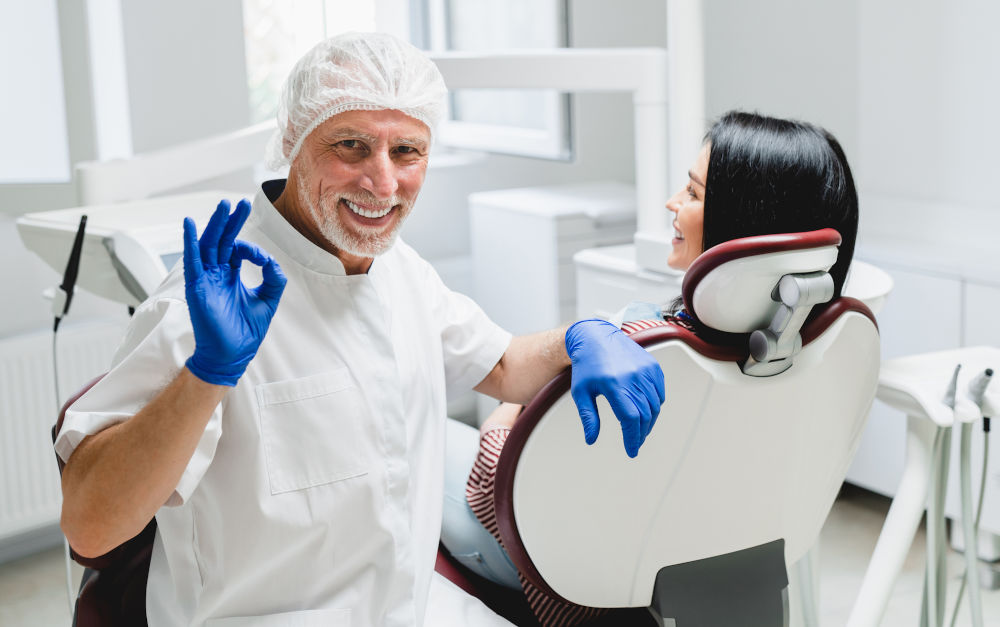
One of the most important roles of a cosmetic dentist is identifying when veneers are not the right solution.
Veneers may not be appropriate if you:
- Grind or clench your teeth (bruxism) without protection
- Have untreated gum disease
- Have minimal remaining enamel
- Require orthodontic correction instead of cosmetic masking
In such cases, a responsible dentist may recommend orthodontics, whitening, bonding, or other conservative options before considering veneers.
Materials and Laboratories: Quality Beyond the Surface
Porcelain veneers are typically fabricated from high-quality ceramic materials designed to mimic natural enamel. However, material choice alone does not guarantee success.
An experienced veneer dentist understands:
- Which ceramic material suits your natural tooth shade
- How thickness affects translucency and strength
- How the bonding technique influences longevity
Equally important is the dental laboratory used. Skilled ceramists play a critical role in achieving natural contours, texture, and colour gradients.
The Role of Technology in Modern Veneer Dentistry
Advanced dental technology has significantly improved the outcomes of veneers, particularly in Canada’s leading cosmetic practices.
Common technologies used in advanced veneer planning
- Digital intraoral scanners
- Digital Smile Design (DSD) software
- Mock-ups or trial smiles
- High-magnification optics
Technology enhances accuracy and predictability, but it does not replace clinical expertise. The best results come from dentists who use technology as a tool — not a shortcut.
Veneer Treatment Process: What Patients Should Expect
A transparent dentist will explain the entire veneer process before treatment begins.
Typical veneer treatment steps
- Comprehensive consultation and planning
- Smile design and shade selection
- Tooth preparation (minimal and conservative)
- Temporary veneers, if required
- Final veneer placement and bonding
- Follow-up visit for bite and comfort assessment
Understanding each step helps patients feel informed and confident throughout treatment.
Cost Considerations in Canada
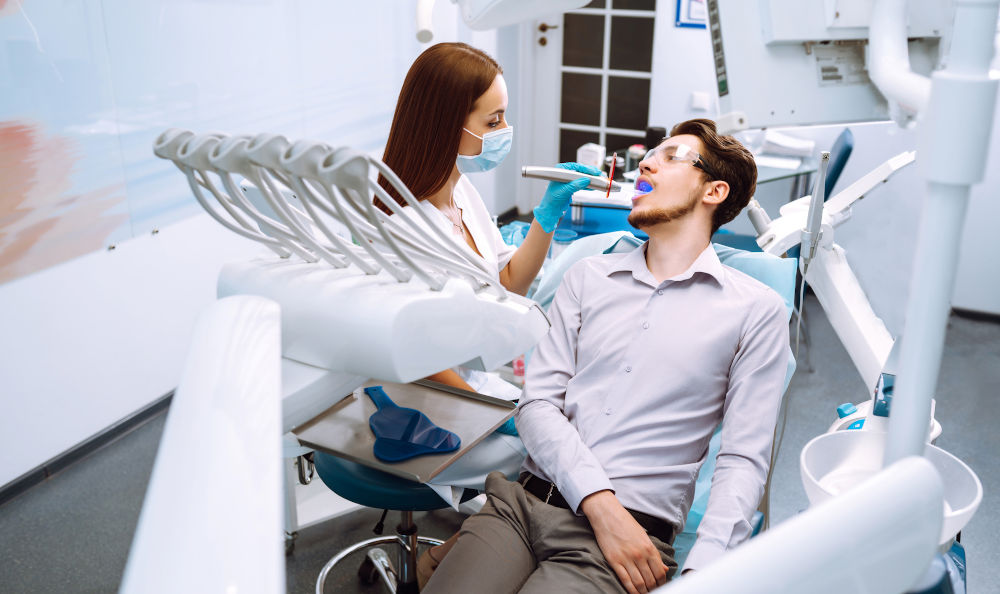
Porcelain veneers are a significant investment. In Canada, pricing varies depending on material, complexity, and the dentist's expertise.
A reputable clinic explains:
- Cost per veneer
- What is included (temporaries, follow-ups, adjustments)
- Expected lifespan and maintenance
- Replacement considerations
Be cautious of pricing that seems unusually low, as this may reflect compromises in materials, planning, or laboratory quality.
Long-Term Maintenance and Care
Veneers are durable but not permanent.
Patients should understand:
- Veneers typically last 10–15 years with proper care
- Regular dental checkups are essential
- Night guards may be required for grinders
- Veneers cannot be whitened and may need replacement over time
A good dentist discusses maintenance openly rather than presenting veneers as a lifetime solution.

Why Patients Choose Skymark Smile Centre for Veneers
At Skymark Smile Centre, veneer treatment is approached with a balance of clinical precision and aesthetic sensitivity. Each case is carefully evaluated to ensure veneers are the right solution and are planned with long-term oral health in mind.
Patients benefit from:
- Detailed cosmetic consultations
- Conservative treatment planning
- High-quality porcelain materials
- Experienced cosmetic dentists
- A focus on natural, facially harmonious results
Make an Informed, Confident Choice
Choosing the right dentist for your veneers is one of the most important decisions in cosmetic dentistry. Veneers can be transformative when done well — and problematic when rushed or poorly planned.
Take your time, ask informed questions, review real cases, and choose a dentist who prioritizes function, health, and longevity alongside aesthetics.
Ready to Explore Veneers in Mississauga?
If you are considering porcelain veneers in Mississauga, the team at Skymark Smile Centre offers comprehensive consultations designed to educate, not pressure. Every recommendation is personalized to your oral health, goals, and lifestyle.
FAQ
Why is choosing the right dentist for veneers so important?
Porcelain veneers are a permanent dental treatment that requires enamel removal. Choosing an experienced cosmetic dentist helps ensure proper planning, natural aesthetics, correct bite function, and long-term oral health.
What qualifications should a veneer dentist have in Canada?
A veneer dentist should hold a DDS or DMD degree, be licensed in Canada, and pursue continuing education in cosmetic and restorative dentistry. Regular experience with porcelain veneers is essential.
How much experience should a dentist have with veneers?
Ideally, veneers should be a routine part of the dentist’s practice. Dentists who place veneers regularly are better equipped to manage aesthetics, bonding techniques, and potential complications.
What should happen during a veneer consultation?
A proper veneer consultation includes an oral exam, evaluation of enamel and gums, bite analysis, discussion of goals, review of alternatives, and a clear explanation of risks, benefits, and expected outcomes.
Are porcelain veneers suitable for everyone?
No. Veneers may not be appropriate for patients with severe teeth grinding, active gum disease, minimal enamel, or untreated bite issues. A qualified dentist will assess candidacy before recommending veneers.
What technology should a modern veneer dentist use?
Advanced veneer dentists often use digital intraoral scanners, Digital Smile Design, mock-ups, and high-quality dental laboratories to improve precision and predictability.
How much do porcelain veneers cost in Canada?
The cost of veneers in Canada varies depending on material, complexity, and the dentist experience. Pricing should be clearly explained and include preparation, temporaries, final placement, and follow-up care.
How long do porcelain veneers last?
With proper care, porcelain veneers typically last between 10 and 15 years. Longevity depends on oral hygiene, bite forces, and lifestyle habits such as teeth grinding.