
Andrea Galick – Regional Manager
Andrea is a Registered Dental Hygienist who has transitioned into a leadership role as Regional Manager, bringing together her clinical background with a strong focus on practice growth, team development, and patient experience. She began her career in dental hygiene before moving into marketing and management during her pregnancy with her daughter, combining her passion for patient care with a talent for building systems and supporting team success.
As Regional Manager, Andrea works closely with each Smile Centre location to ensure a consistent, high-quality patient experience. She is passionate about developing strong teams, implementing effective systems, and supporting both patients and staff in achieving long-term success.
Andrea values connection, communication, and creating a positive environment for both patients and team members. Her clinical background allows her to bring a unique perspective to her leadership role, always keeping patient care at the center of every decision.
Outside of work, Andrea is a proud solo parent to her daughter, Isla. She enjoys spending time at home with her many pets—including cats, a dog, fish, an axolotl, and canaries—and has a special interest in breeding both fish and canaries.
Latest Posts
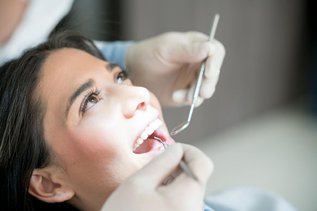
Best Fluoride Toothpastes for Stronger Teeth and Fewer Cavities
A fluoride toothpaste strengthens enamel and lowers the chance of a new cavity when the amount matches the person and a thin film stays on the teeth after you spit. The tube is a dose, a fluoride compound, and a job. Those three have to agree with the mouth you are brushing, or the carton is doing marketing rather than protection.
The compound is the active ingredient on the box: sodium fluoride, stannous fluoride, or sodium monofluorophosphate. Each one supplies fluoride. They are not the same choice for every mouth ...
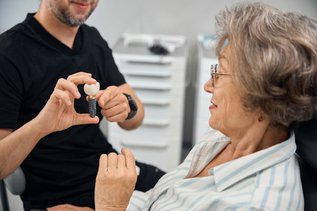
How Much Do Dental Implants Cost in Ontario?
If you are asking how much dental implants cost in Ontario, a finished tooth usually costs $3,000 to $6,500, and a fee well below that is often only for the metal post. What moves you into that range is the tooth being replaced, the bone underneath it, and whether the quote includes the abutment and the crown.
The honest total is three pieces of work. The post replaces the root. The abutment is the connector. The crown is the visible tooth, matched for colour and bite. A bone ...

Does Canadian Dental Insurance Cover Implants and Invisalign?
The short answer to whether Canadian dental insurance covers implants and Invisalign is that a private plan may pay part of clear aligner treatment, but usually excludes dental implants. The percentage on a benefits brochure is not the amount that arrives. A lifetime orthodontic maximum, a cosmetic exclusion, or an alternative-treatment clause can cut the payment to a few thousand dollars or to nothing.
The Canadian Dental Care Plan is a different rulebook from an employer plan. It helps pay for exams, cleanings, fillings, root canals, gum treatment, extractions, and ...

Bad Breath: What Actually Causes It and How to Fix It for Good
Anaerobic bacteria in your mouth break down protein and release volatile sulphur compounds as waste, causing bad breath. The largest single reservoir of those bacteria is the soft coating on the back third of your tongue, not your stomach. That is why brushing your teeth twice a day can leave the smell untouched, and why a mint buys you about twenty minutes. The fix is to remove the coating, clean between the teeth where a brush cannot reach, treat any gum disease or decay feeding the process, and keep saliva ...

Cosmetic Dentistry in Mississauga: Procedures, Cost, and What to Expect
Cosmetic dentistry is a broad category of dental treatments designed to improve the appearance of your teeth, gums, and overall smile. According to the Ontario Dental Association, cosmetic procedures primarily focus on colour, position, shape, size, alignment, and the overall appearance of the smile. While their primary goal is aesthetic, many of these treatments also deliver meaningful functional benefits, from improved bite alignment to easier cleaning and reduced risk of further damage.
In Mississauga, cosmetic dentistry has become one of the most requested dental services. Patients are increasingly looking beyond ...
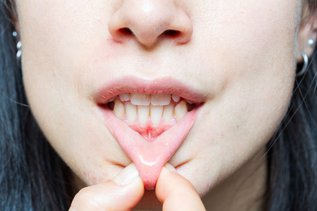
Receding Gums: Causes, Treatment Options, and How to Prevent Further Damage
If you have noticed that your teeth look longer than they used to, or if you feel a small notch near your gum line when you run your tongue along your teeth, you may be experiencing gum recession. It is one of the most common dental conditions in adults, yet most people do not realize it is happening until it has already progressed significantly. That is because gum recession develops slowly, often over years, without causing any pain in its early stages.
Gum recession occurs when the gum tissue that ...
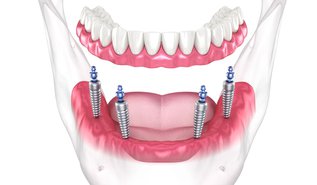
5 Key Questions About All-on-4 Dental Implants in Mississauga
Losing most or all of your teeth changes more than your smile. It affects the way you eat, speak, and present yourself in daily life. Traditional removable dentures address some of these concerns, but for many patients they introduce frustrations of their own: slipping during meals, adhesive routines, progressive bone loss that changes the fit over time, and a gradual loss of facial structure that no denture can prevent.
All-on-4 dental implants offer a fundamentally different approach. Using four strategically placed titanium implants per arch, this procedure supports a complete ...

Dental Check Up: What to Expect
A routine dental check-up and professional cleaning are the two most important things you can do to protect your oral health over the long term. Together, they allow your dentist to detect problems early, when treatment is simpler and less expensive, and remove the plaque and tartar buildup that daily brushing and flossing cannot fully address.
Yet many patients in Mississauga delay or avoid dental visits because they are unsure what the appointment entails, how long it will take, or whether it will be uncomfortable. Some have not visited a ...

Dental Crowns in Ontario: Types, Procedure, and How Much They Cost
A dental crown is one of the most common restorative treatments in dentistry. It can preserve a tooth that has been cracked, weakened by decay, or treated with a root canal. It can also improve the appearance of a tooth that is severely discoloured or misshapen. Yet for many patients in Ontario, choosing a crown raises practical questions that are not always easy to answer: What types of crowns exist? How does the procedure actually work? How much will it cost, and will insurance help?
Key Takeaways
- A dental crown ...

Invisalign in Mississauga: How Much It Costs, What Insurance Covers and How to Finance It
You've been thinking about straightening your teeth for a while. Maybe it's a gap you've always noticed, or a bite that's been bothering you for years. Invisalign feels like the right option, discreet, removable, and no metal brackets. Then comes the question that stops most people: how much does it actually cost, and will insurance cover any of it?
Here's what patients at Skymark Smile Centre in Mississauga ask us every week, answered clearly, with real numbers.
KEY TAKEAWAYS
- Invisalign in Mississauga typically costs between ...