
Doctor of Dental Surgery (DDS)
Dental Crown vs Filling: What to Consider When Choosing
When a tooth is damaged by decay, fracture, or wear, choosing the right restoration is critical to preserving both function and long-term oral health. Patients are often told they need either a dental filling or a dental crown , but the differences between these treatments — and why one may be preferred over the other — are not always clearly explained.
This guide breaks down the key differences between dental crowns and fillings, how dentists decide which option is appropriate, and what patients in Canada should consider when choosing a restoration. Understanding these factors helps you make informed decisions that protect your tooth, your bite, and your overall dental health for years to come.
Key Takeaways
- Dental fillings and crowns serve different clinical purposes, not interchangeable cosmetic roles
- Fillings are best for small to moderate decay when enough natural tooth structure remains
- Crowns are recommended when a tooth is structurally weakened or heavily restored
- In some cases, a filling and a crown are used together to restore strength and function
- The right choice depends on tooth structure, bite forces, longevity, and long-term oral health, not cost alone
Find our Dental Clinic Near You
Why the Choice Between a Crown and a Filling Matters
At first glance, both crowns and fillings appear to “fix” a damaged tooth. However, they function very differently.
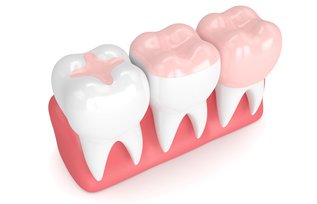
A filling
repairs a tooth defect
.
A crown
reinforces and protects
a tooth that has lost structural integrity.
Choosing the wrong option can lead to:
- Cracked or fractured teeth
- Recurrent decay
- Premature restoration failure
- More invasive treatment later
Dentists aim to choose the least invasive option that will remain stable in the long term.
What Is a Dental Filling?
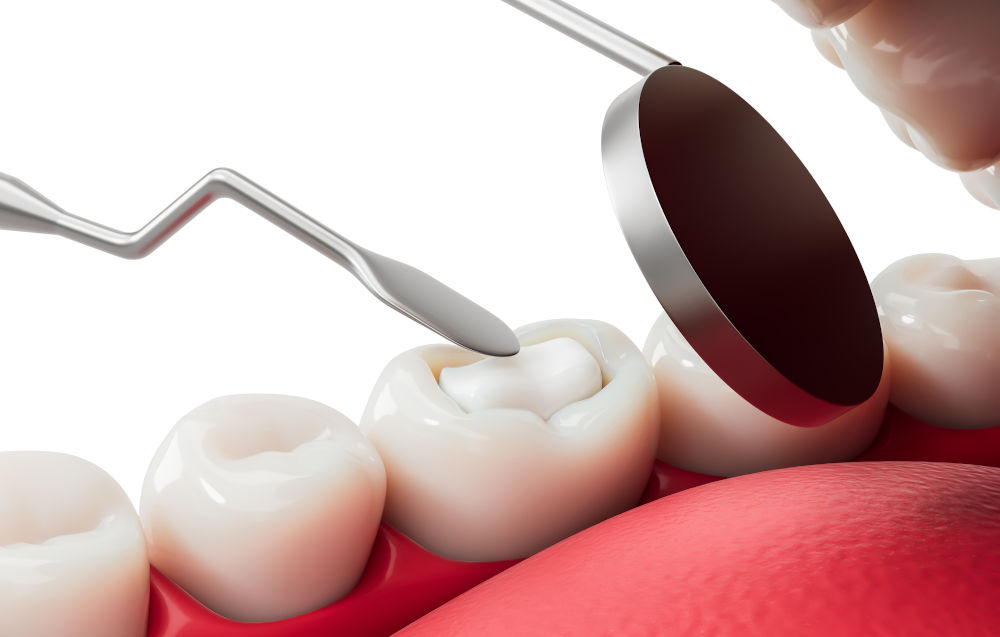
A dental filling is used to restore a tooth after decay or minor damage has been removed. Once the affected area is cleaned, the dentist places a restorative material into the space and shapes it to match the natural tooth.
Common types of fillings
- Composite (tooth-coloured) fillings
- Amalgam (silver) fillings
- Glass ionomer fillings (less common in permanent teeth)
Composite fillings are the most commonly used today due to their natural appearance and ability to bond directly to tooth structure.
When fillings work best
- Small to moderate cavities
- Minimal loss of tooth structure
- Low bite stress areas
- Teeth without existing large restorations
When placed correctly, fillings can last many years, especially when oral hygiene and bite forces are well controlled.
What Is a Dental Crown?
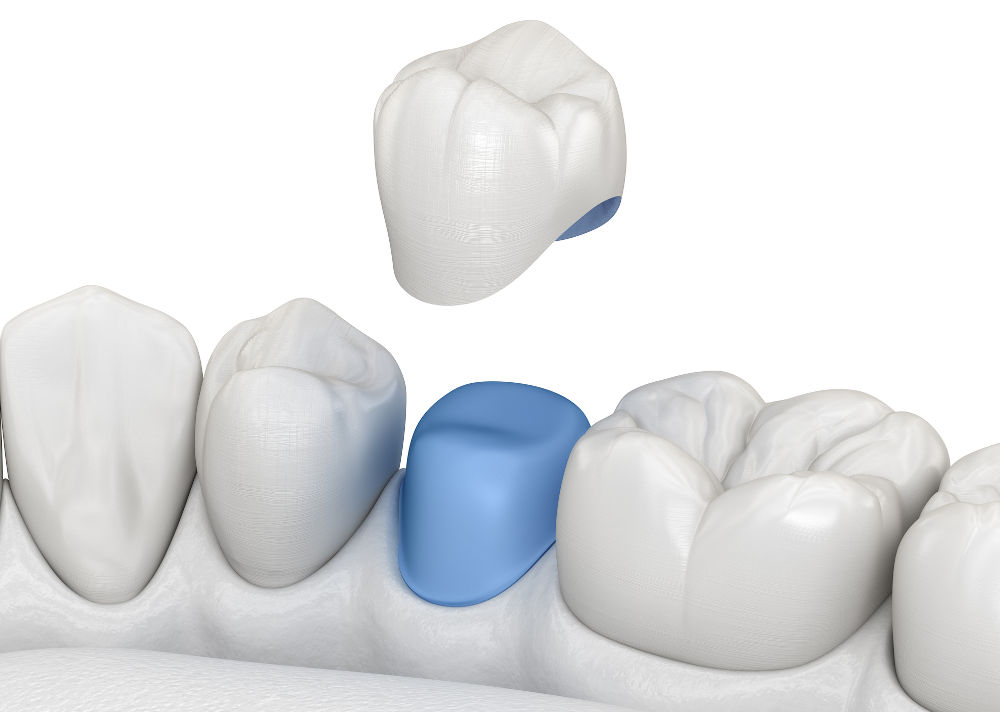
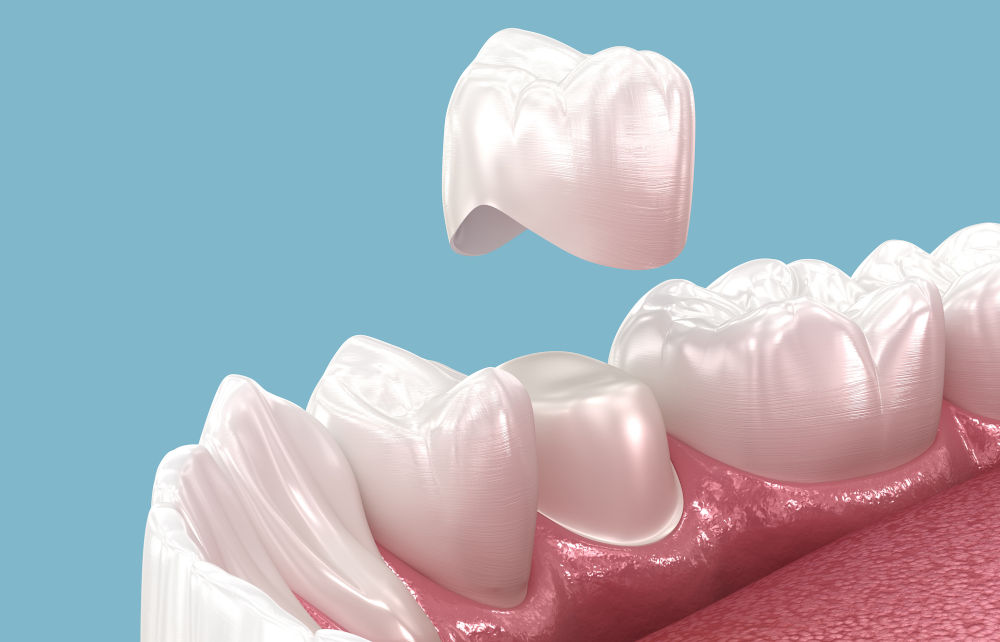
A dental crown is a custom-made restoration that c overs the entire visible portion of a tooth. Instead of filling a space, a crown acts like a protective cap, restoring strength, shape, and function.
Crowns are typically made from:
- Porcelain or ceramic
- Zirconia
- Porcelain fused to metal
The tooth is reshaped to allow the crown to fit securely, and the restoration is permanently bonded or cemented in place.
When crowns are recommended
- Extensive decay
- Cracked or fractured teeth
- Teeth with large or multiple fillings
- Teeth weakened after root canal treatment
- Teeth used to support a dental bridge
A crown redistributes chewing forces and protects the remaining tooth structure from further damage.
Dental Crown vs Filling: Core Differences Explained
| Factor | Dental Filling | Dental Crown |
|---|---|---|
| Tooth Coverage | Partial | Full coverage |
| Invasiveness | Conservative | More extensive |
| Best For | Small–moderate damage | Structurally weakened teeth |
| Strength | Limited | High |
| Longevity | 5–10 years (average) | 10–15+ years |
| Cost | Lower | Higher |
Fillings are ideal for early-stage damage, while crowns are designed to protect teeth that can no longer reliably support a filling alone.
How Dentists Decide Between a Crown and a Filling
Dentists evaluate several clinical factors before recommending a restoration.
1. Amount of Remaining Tooth Structure
If a large portion of the tooth is missing, a filling may lack sufficient support and fracture under chewing forces.
2. Location of the Tooth
Back teeth (molars) experience significantly higher bite pressure. Teeth in these areas often require crowns sooner than those in the front.
3. Existing Restorations
Teeth with large or multiple fillings are more likely to crack and may benefit from a full-coverage crown.
4. Bite Forces and Habits
Patients who clench or grind their teeth place additional stress on restorations, making crowns a more predictable option.
When a Filling Is Usually the Right Choice
A filling is often recommended when:
- The cavity is small or moderate
- Tooth walls remain thick and strong
- There are no cracks extending into the tooth
- The tooth has not undergone root canal treatment
In these cases, placing a crown would remove unnecessary healthy tooth structure.
When a Crown Is the Better Option
Crowns are often recommended when:
- More than 40–50% of the tooth structure is compromised
- The tooth has fractured or cracked
- The tooth has had a root canal
- The tooth supports a dental bridge
Crowns are designed to prevent catastrophic failure, not just repair damage.
Can a Tooth Need Both a Filling and a Crown?
Yes — and this is more common than many patients realize.
In cases of deep decay:
- The dentist removes the decay
- A filling is placed to rebuild the missing internal structure
- A crown is placed over the tooth for reinforcement
This approach restores both form and strength, especially in molars and premolars.
Longevity and Long-Term Value
While fillings are less expensive upfront, they may require more frequent replacement, particularly in heavily loaded teeth.
Crowns:
- Offer greater durability
- Protect against fractures
- Often provides better long-term value for weakened teeth
The goal is not simply to fix the tooth today, but to avoid repeat procedures in the future.
Cost Considerations in Canada
Costs vary depending on materials, complexity, and location.
In general:
- Fillings are more affordable and often partially covered by insurance
- Crowns are more expensive but may offer better longevity
Your dentist should clearly explain:
- Why a crown or filling is recommended
- What alternatives exist
- Long-term implications of each option
Risks of Choosing the Wrong Restoration
Choosing a filling when a crown is needed may lead to:
- Tooth fracture
- Pain or sensitivity
- Emergency treatment
- Tooth loss
Choosing a crown unnecessarily may result in:
- Excessive removal of healthy tooth structure
This is why individualized assessment is essential.
Final Thoughts: Crown or Filling?
There is no one-size-fits-all answer. The right restoration depends on:
- The condition of your tooth
- Your bite and habits
- Long-term function and durability
A good dentist will always recommend the most conservative option that remains predictable over time.
When to Speak With Your Dentist
You should discuss crown vs filling options if:
- You have a large or deep cavity
- A tooth has cracked or fractured
- You’ve been told you need repeat fillings
- You experience pain when chewing
An informed discussion ensures your treatment supports both comfort and longevity.
Ready to Restore Your Tooth?
If you’ve been told you need a dental crown or filling in Mississauga, a comprehensive evaluation can help determine the best option for your long-term oral health.
FAQ
What is the main difference between a dental crown and a filling?
A dental filling restores a small area of decay or damage inside a tooth, while a dental crown covers the entire visible portion of the tooth to restore strength, structure, and function.
When is a filling usually the best option?
A filling is typically recommended for small to moderate cavities when enough healthy tooth structure remains,s and the tooth is not structurally weakened.
When does a tooth need a crown instead of a filling?
A crown is usually recommended when a tooth has extensive decay, large or multiple fillings, cracks, or has been weakened by a root canal. Crowns protect the tooth from further damage and fracture.
Can a filling and a crown be used together?
Yes. In some cases, a filling is placed to rebuild internal tooth structure, and a crown is then placed over the tooth to provide full coverage and reinforcement, especially in molars.
Do dental crowns last longer than fillings?
Generally, yes. Dental crowns often last 10–15 years or longer, while fillings typically last 5–10 years, depending on material, bite forces, and oral hygiene.
Are crowns more expensive than fillings?
Crowns are usually more expensive than fillings due to additional preparation, materials, and lab work. However, they may offer better long-term value for heavily damaged teeth.
How does a dentist decide whether I need a crown or a filling?
Dentists assess the remaining tooth structure, tooth location, cavity size, existing restorations, bite forces, and long-term durability before recommending a treatment.
What happens if a filling is placed when a crown is needed?
If a filling is placed on a structurally weak tooth, it may crack or fail prematurely, potentially leading to pain, emergency treatment, or tooth loss. Proper assessment helps avoid this risk.