
Doctor of Dental Surgery (DDS)
How Often Should I Be Having a Dental Cleaning?
If you’re asking “ How often should I be having a dental cleaning? ”, the evidence‑based answer starts with a core principle of preventive dentistry: professional cleanings are essential for maintaining long‑term oral health. While the traditional guideline of twice‑yearly cleanings remains widely recommended, the ideal schedule is tailored to your individual oral health needs, risk factors, and lifestyle. This article breaks down the latest recommendations, research insights, and expert dental practice guidance to help you determine the right cleaning schedule for your smile.
Key Takeaways
- Most adults benefit from professional dental cleanings every 6 months to maintain optimal oral health and prevent disease.
- Cleaning frequency should be personalized based on risk factors, gum health, lifestyle, and medical conditions — not a one-size-fits-all approach.
- People with gum disease, tobacco use, diabetes, or a history of periodontal problems may require cleanings every 3–4 months.
- Excellent home care and risk assessment may allow some low‑risk individuals to have annual professional cleanings.
- Professional cleanings are preventive care that removes hardened plaque (tartar) that cannot be removed by brushing/flossing alone and supports overall health.
Find our Dental Clinic Near You
Why Professional Dental Cleanings Matter
Professional dental cleanings go beyond regular brushing and flossing — even the most diligent oral hygiene routine at home can’t fully remove hardened tartar (calculus) or bacteria beneath the gum line. Dental cleanings typically include:
- Scaling – removal of plaque and tartar build‑up above and below the gum line.
- Polishing – smoothes tooth surfaces, removes stains, and removes residual debris.
- Oral health evaluation – early detection of decay, gum inflammation, or other issues that may not be visible to you.
Regular professional cleanings help prevent serious dental issues such as cavities , gingivitis , and periodontitis, and they also contribute to overall systemic health by reducing oral bacteria linked to heart disease and other conditions.
Standard Guideline: Every 6 Months
For most people with healthy gums and minimal risk of oral disease, dentists recommend routine cleanings every six months . This has been the standard guideline supported by both Canadian and international dental associations for decades because plaque begins to harden into tartar within a short period, and professional removal prevents inflammation and bacterial growth.
This semi‑annual schedule allows hygienists and dentists to:
- Remove plaque and tartar that accumulate despite daily brushing and flossing.
- Monitor gum health and early signs of disease.
- Provide preventive fluoride treatments or dental sealants when appropriate.
- Detect early stages of decay, infection, or oral cancer before they become more severe.
Quote from Expert:
“Regular dental cleanings scheduled at appropriate intervals help us intercept early signs of disease and maintain your oral health long‑term. The six‑month guideline remains valuable for most patients as a foundation for preventive care.” — Dr. Rob Eisen, DDS
A Personalized, Risk‑Based Approach
While “every six months” is a helpful general rule, modern preventive dentistry emphasizes individualized care. The Canadian Dental Association ( CDA ) advises that cleaning frequency should be tailored to an individual risk assessment that includes oral health status, medical history, and lifestyle factors, rather than rigid timelines.
Who May Need More Frequent Cleanings (Every 3–4 Months)
Patients with higher oral health risk profiles often benefit from more frequent cleanings than twice a year. Factors include:
- Gum disease (gingivitis or periodontitis) – bacteria can repopulate quickly, and periodontal maintenance every 3–4 months helps control inflammation and prevent progression.
- Smoking or tobacco use – increases plaque buildup and gum health issues, often necessitating increased cleaning frequency.
- Diabetes and immune‑compromised conditions – these conditions impact healing and susceptibility to periodontal disease.
- History of frequent cavities or rapid plaque accumulation – frequent professional support helps manage risk.
- Orthodontic treatment (braces or aligners) – fixed appliances create additional plaque‑trapping areas, often requiring more regular professional cleaning.
“Patients with periodontal disease, systemic health considerations, or lifestyle factors that accelerate plaque build‑up benefit from cleanings every three to four months. This proactive rhythm minimizes risk and supports gum health.” — Dr. Goli Ariafar, DDS
Can Some People Go Less Often?
For individuals with exceptional oral hygiene, no history of gum disease, and no significant risk factors, some dentists determine that annual cleanings combined with regular exams may suffice. However, this is a personal decision and should be made only in consultation with your dentist or hygienist.
Even low‑risk individuals should maintain consistent daily oral care — brushing with fluoride toothpaste twice a day and flossing at least once daily — because home care complements but does not replace professional cleanings.
Special Populations and Cleaning Frequency
Children & Teens
Children and adolescents often benefit from routine cleanings every six months, especially if they are at higher risk for cavities or have orthodontic appliances. Early preventive dental care sets the foundation for lifelong oral health.
Adults (20–60 Years)
Most adults with balanced oral hygiene follow a six‑month cleaning schedule, adjusting it if risk factors emerge.
Seniors
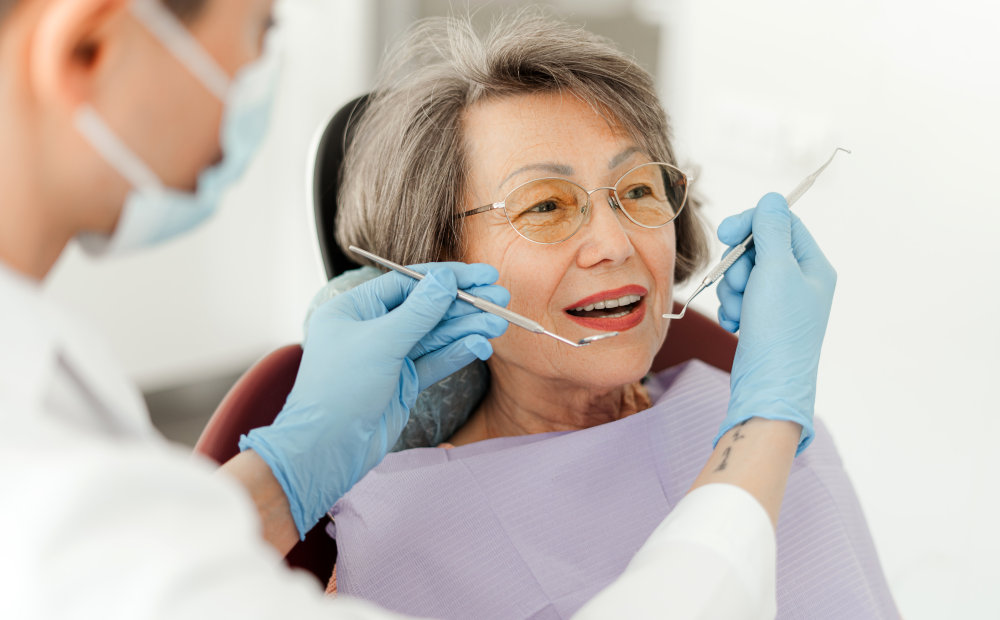
Older adults may require more frequent appointments (every 3–6 months) due to factors such as gum recession, dry mouth from medications, and a history of periodontal issues.
The Health Connection: Why Dental Cleanings Matter Beyond Teeth
Emerging evidence continues to show that oral health is linked to overall systemic health. Studies indicate associations between gum inflammation and cardiovascular disease, diabetes complications, and more. While the exact mechanisms are complex and ongoing research continues, maintaining good oral health through regular cleanings and exams remains part of preventive health best practices.
In addition, professional cleanings not only remove harmful bacteria but also provide dentists with an opportunity to monitor signs of non‑oral issues, such as vitamin deficiencies or early cancer indicators.
What Happens If You Skip or Delay Cleanings?
Neglecting professional dental cleanings can result in:
- Buildup of hardened tartar leading to gingivitis and, if untreated, periodontitis.
- Increased risk of cavities and gum recession due to unchecked bacteria.
- Bad breath (halitosis) from bacterial colonies below the gumline.
- Potential need for invasive treatments such as scaling and root planing.
- Greater long‑term dental costs are associated with restorative dental treatments.
What to Expect During a Dental Cleaning
A typical professional dental cleaning involves:
- Oral exam and X‑rays (if needed) – to assess current dental health.
- Scaling – removal of plaque and tartar with manual or ultrasonic instruments.
- Polishing and flossing – to smooth enamel and remove surface stains.
- Fluoride treatment (optional) – helps protect enamel from decay.
Most appointments take 30–60 minutes, depending on the complexity of your oral health needs.
Insurance & Costs in Canada
In Ontario and across Canada, most private dental insurance plans cover at least one or two professional cleanings per year. However, coverage limits shouldn’t dictate your dental care frequency —
your dentist’s
clinical recommendation should guide your schedule. In many cases, you may need to discuss coverage details with your provider and explore flexible
payment options
if more frequent cleanings are medically necessary.
Why Professional Dental Cleanings Are Essential for Your Oral Health
Determining how often you should have a dental cleaning is more nuanced than a fixed interval. While twice‑yearly cleanings remain a valuable benchmark for preventive care, the ideal schedule is personalized based on your oral health risk profile, lifestyle, medical history, and professional dental assessment. Regular cleanings protect your smile and contribute to long‑term well‑being — making them one of the most important investments in your health.
FAQ
How often should I get a dental cleaning?
Most dental professionals recommend a cleaning every six months to maintain optimal oral health. However, the frequency may vary based on your individual oral health needs, risk factors, and lifestyle.
Do I need more frequent cleanings if I have braces?
Yes, if you have braces or other orthodontic appliances, you may need more frequent cleanings because it's harder to clean around brackets and wires. Consult your dentist for a personalized cleaning schedule.
Can skipping dental cleanings cause serious issues?
Skipping dental cleanings can lead to plaque and tartar buildup, which can cause gum disease, cavities, and more severe dental issues over time. It's important to stay on track with professional cleanings as part of your oral hygiene routine.
What happens during a professional dental cleaning?
During a professional dental cleaning, the dentist or hygienist will remove plaque and tartar, polish the teeth, and check for signs of cavities, gum disease, or other dental issues. Fluoride treatments may also be applied.
Is it possible to go less frequently than every six months for cleanings?
In some cases, individuals with excellent oral hygiene and no major risk factors may go for annual cleanings. However, this should be determined by your dentist after evaluating your individual oral health needs.